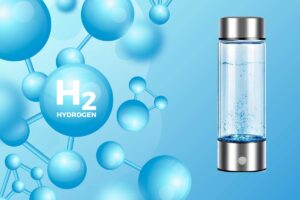
In the health and wellness world, hydrogen water and alkaline water have gained significant attention for their purported benefits. Both are types of enhanced water marketed as ways to improve hydration and overall health, but they are very different in composition, effects, and benefits. Understanding these differences can help you make an informed choice about which, if either, is right for you.
This article breaks down the science behind hydrogen water and alkaline water, compares their benefits, and clarifies common misconceptions. Plus, we’ll touch on How Hydrogen Water Supports Cardiovascular Health—a key benefit that’s been gaining research interest.
What Is Hydrogen Water?
Hydrogen water is regular water (H₂O) infused with extra molecular hydrogen (H₂) gas. This means it contains dissolved hydrogen molecules, which act as antioxidants when consumed.
- Composition: Water enriched with dissolved hydrogen gas.
- pH level: Neutral, typically around 7.
- Primary benefit: Powerful antioxidant properties that reduce oxidative stress.
Because hydrogen molecules are very small, they easily penetrate cells and tissues, neutralizing harmful free radicals. This is believed to help reduce inflammation and cellular damage.
What Is Alkaline Water?
Alkaline water refers to water that has a higher pH than regular tap water, usually above 7. It is made alkaline by adding minerals like calcium, magnesium, and bicarbonate or through electrolysis.
- Composition: Water with higher pH (typically 8-9), often mineral-rich.
- pH level: Above 7, usually between 8 and 9.
- Primary benefit: Neutralizes acidity in the body and improves hydration.
The idea is that drinking alkaline water can help balance the body’s pH levels, reducing acidity that some claim leads to health issues. However, the body tightly regulates blood pH, and the effect of alkaline water on overall acidity is still debated.
Key Differences Between Hydrogen Water and Alkaline Water
| Feature | Hydrogen Water | Alkaline Water |
|---|---|---|
| Composition | Regular water + dissolved hydrogen gas | Water with higher pH and added minerals |
| pH Level | Neutral (~7) | Alkaline (8–9) |
| Main Benefit | Antioxidant, reduces oxidative stress | May help neutralize body acidity |
| Mechanism | Hydrogen molecules act as free radical scavengers | Alkaline minerals buffer acid in the stomach |
| Taste | Neutral, similar to regular water | Slightly different, sometimes “softer” taste |
| Scientific Evidence | Growing research, especially on antioxidant effects | Mixed evidence, some health claims unproven |
| Potential Uses | Supports cellular health, reduces inflammation | Hydration and acid-base balance support |
How Hydrogen Water Supports Cardiovascular Health
One of the most exciting areas of research around hydrogen water is its potential benefits for cardiovascular health. Oxidative stress plays a critical role in the development of heart disease by damaging blood vessels, promoting inflammation, and contributing to plaque buildup.
Hydrogen water’s antioxidant properties help neutralize free radicals, reducing oxidative stress and inflammation. Some studies suggest that drinking hydrogen water may improve blood lipid profiles, reduce arterial stiffness, and enhance overall heart function.
While more extensive clinical trials are needed, early findings indicate that hydrogen water could be a supportive addition to a heart-healthy lifestyle.
Benefits of Hydrogen Water
- Antioxidant-rich: Helps neutralize harmful free radicals.
- Anti-inflammatory: May reduce inflammation at the cellular level.
- Improved metabolism: Some evidence suggests better energy production in cells.
- Supports recovery: Athletes report faster muscle recovery with hydrogen water.
- Potential neuroprotective effects: Ongoing research explores benefits for brain health.
Benefits of Alkaline Water
- Hydration: Some people find it more hydrating due to mineral content.
- Acid neutralization: May reduce symptoms of acid reflux or heartburn.
- Mineral intake: Provides calcium and magnesium, essential for bone and muscle health.
- Enhanced taste: Preferred by some for its smoother, less “sharp” taste.
Common Misconceptions
- Alkaline water “alkalizes” the whole body: The body regulates blood pH tightly; alkaline water affects only stomach acidity temporarily.
- Hydrogen water is just regular water: It contains dissolved hydrogen gas, which gives it unique antioxidant properties.
- Both waters cure diseases: Neither water is a cure-all; they may support health but aren’t substitutes for medical treatment or healthy habits.
How to Choose Between Hydrogen Water and Alkaline Water
Choosing between hydrogen water and alkaline water depends on your health goals:
- If you want antioxidant benefits and reduced oxidative stress, hydrogen water may be the better choice.
- If you’re looking to improve hydration and manage mild acid reflux symptoms, alkaline water might suit your needs.
- Consider taste preference and budget, as hydrogen water products often come at a premium.
FAQs: Hydrogen Water vs. Alkaline Water
1. Can I drink hydrogen water and alkaline water together?
Yes, but it’s not necessary. Each serves different purposes, so focus on what your body responds to best.
2. Is hydrogen water safe for everyone?
Generally, yes. It’s just water with dissolved hydrogen gas, which is non-toxic and safe to consume.
3. Does alkaline water raise my body’s pH permanently?
No. While it may temporarily reduce stomach acidity, blood pH remains stable thanks to your body’s buffering systems.
4. How do I make hydrogen water at home?
You can use hydrogen water generators or tablets designed to release molecular hydrogen into water.
5. Are there any side effects?
Both are safe for most people. Some individuals might notice a different taste or mild digestive changes initially.
Final Thoughts
Both hydrogen water and alkaline water offer unique benefits and are part of a growing market focused on functional hydration. While hydrogen water is gaining traction for its antioxidant and potential cardiovascular benefits, alkaline water remains popular for hydration and acid neutralization.
Understanding their differences helps you choose the right type for your health goals. As always, enhanced water should complement a balanced diet, regular exercise, and a healthy lifestyle—not replace them.