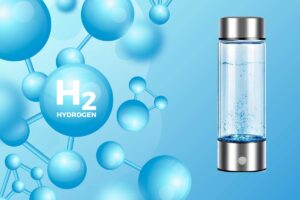
In recent years, hydrogen water therapy has emerged as a promising approach to support overall wellness. Beyond claims of improved energy and hydration, one of its most researched benefits is its anti-inflammatory effects. Chronic inflammation is linked to numerous health conditions, including cardiovascular disease, arthritis, metabolic syndrome, and neurodegenerative disorders. Understanding how hydrogen water impacts inflammation can provide insights into its therapeutic potential.
Understanding Inflammation
Inflammation is the body’s natural response to injury or infection, characterized by redness, swelling, heat, and pain. Acute inflammation is beneficial, helping the body heal. However, chronic low-grade inflammation can damage tissues, disrupt metabolic processes, and accelerate aging.
Reducing chronic inflammation is a key target for improving health outcomes, and lifestyle interventions such as diet, exercise, and certain therapies—including hydrogen water therapy—have become focal points for research.
What is Hydrogen Water Therapy?
Hydrogen water therapy involves consuming water infused with molecular hydrogen (H₂). Molecular hydrogen is an antioxidant that is small enough to penetrate cell membranes and diffuse into tissues, including mitochondria and the brain.
Key properties include:
- Selective Antioxidant Action: Hydrogen targets harmful reactive oxygen species (ROS) while leaving beneficial ROS intact.
- Cellular Penetration: Hydrogen molecules reach areas where inflammation and oxidative stress originate.
- Safety: Molecular hydrogen is non-toxic and naturally produced in small amounts in the human gut.
Many researchers and health enthusiasts are exploring hydrogen water therapy not only for oxidative stress reduction but also for its potential to modulate inflammation at the cellular level.
How Hydrogen Water Reduces Inflammation
The anti-inflammatory effects of hydrogen water are believed to result from multiple mechanisms:
- Neutralizing Free Radicals:
Inflammation is often driven by oxidative stress, where excessive free radicals trigger pro-inflammatory pathways. Hydrogen selectively neutralizes hydroxyl radicals, mitigating oxidative damage that can fuel inflammation. - Modulating Cellular Signaling Pathways:
Hydrogen has been shown to influence key signaling pathways such as NF-κB (nuclear factor kappa-light-chain-enhancer of activated B cells), which regulates inflammation. By modulating these pathways, hydrogen reduces the production of inflammatory cytokines. - Protecting Mitochondrial Function:
Mitochondrial dysfunction is linked to chronic inflammation. Hydrogen molecules improve mitochondrial efficiency, decreasing oxidative stress and indirectly lowering inflammation. - Enhancing Antioxidant Enzymes:
Hydrogen water may boost endogenous antioxidants such as superoxide dismutase (SOD) and glutathione peroxidase, supporting the body’s natural defense system against inflammation and oxidative damage.
These mechanisms suggest that hydrogen water therapy works on multiple levels, both preventing and mitigating chronic inflammation.
Scientific Evidence
Animal Studies:
Research on rodents has demonstrated that hydrogen water can reduce markers of inflammation in conditions like arthritis, colitis, and metabolic disorders. For example, studies show decreased levels of pro-inflammatory cytokines such as TNF-α and IL-6 in animals consuming hydrogen water.
Human Studies:
Although still emerging, human trials indicate promising results:
- Individuals with metabolic syndrome or obesity showed reduced oxidative stress and inflammatory markers after drinking hydrogen water regularly.
- Patients with rheumatoid arthritis experienced improvements in oxidative balance and mild reduction in inflammatory biomarkers.
- Athletes using hydrogen water reported reduced exercise-induced inflammation and faster recovery times.
While evidence is encouraging, it is important to note that more large-scale, long-term clinical trials are needed to confirm these effects.
Hydrogen Water vs. Other Anti-Inflammatory Strategies
Hydrogen water therapy is not a replacement for other anti-inflammatory strategies but can complement them:
| Strategy | Mechanism | Hydrogen Water Synergy |
|---|---|---|
| Diet (anti-inflammatory foods) | Reduces pro-inflammatory compounds | Hydrogen water neutralizes ROS generated during metabolism |
| Exercise | Improves immune regulation | Hydrogen water may reduce exercise-induced inflammation |
| Medications (NSAIDs) | Blocks inflammatory enzymes | Hydrogen water offers cellular protection without side effects |
| Antioxidant supplements | Neutralize free radicals | Hydrogen selectively targets harmful radicals, reducing oxidative-driven inflammation |
Unlike broad-spectrum antioxidants, hydrogen water’s selective approach allows the body to maintain normal ROS signaling while mitigating the oxidative stress that triggers chronic inflammation.
Practical Use of Hydrogen Water Therapy
Hydrogen water can be incorporated into daily routines through:
- Ready-to-drink bottles – Convenient but may lose hydrogen over time.
- Hydrogen tablets or powders – Dissolve in water to release molecular hydrogen.
- Hydrogen-generating machines – Infuse tap water at home for higher concentrations.
Most studies suggest consuming 1–2 liters per day with hydrogen concentrations of 1.0–1.6 ppm. Regular, consistent intake appears more effective than intermittent use.
Safety Considerations
Hydrogen water is generally recognized as safe. Unlike many anti-inflammatory drugs, it carries minimal risk of side effects. However, considerations include:
- Product Quality: Hydrogen concentration varies among products, so choose reliable sources.
- Adjunct Use: Hydrogen water should complement lifestyle interventions, not replace medical treatment.
- Long-term Effects: While short-term studies show safety, more research is needed for chronic, daily consumption over years.
FAQs
Q1: How quickly does hydrogen water reduce inflammation?
Effects can be subtle and cumulative. Biomarker changes may be seen within weeks of consistent consumption.
Q2: Can hydrogen water replace anti-inflammatory medications?
No. It may complement medications but should not replace prescribed therapies for chronic inflammatory conditions.
Q3: Who can benefit from hydrogen water therapy?
Individuals with chronic inflammation, oxidative stress, metabolic syndrome, or those seeking enhanced recovery from exercise may find benefits.
Q4: How is hydrogen water different from regular antioxidants?
It selectively neutralizes harmful radicals, penetrates cells effectively, and supports the body’s natural antioxidant systems without disrupting physiological ROS signaling.
Q5: Does hydrogen water help with oxidative stress too?
Yes. For those wondering, Does Hydrogen-Infused Water Reduce Oxidative Stress?, research suggests that it does, providing a dual benefit of antioxidant and anti-inflammatory effects.
Conclusion
Hydrogen water therapy offers a promising approach to managing inflammation and supporting overall wellness. Through selective antioxidant action, modulation of inflammatory pathways, and protection of cellular functions, hydrogen water may help reduce chronic inflammation, improve recovery, and enhance metabolic health.
While more research is needed to establish long-term effects and optimal dosages, current evidence suggests that integrating hydrogen water into a balanced lifestyle can provide meaningful anti-inflammatory benefits. Its safety profile, ease of use, and dual role in combating oxidative stress make it an attractive option for those looking to support their body’s natural defense systems.
As with any therapy, pairing hydrogen water with a nutrient-rich diet, regular exercise, and healthy lifestyle practices will maximize its potential benefits.