In recent years, hydrogen-infused water has gained attention in the wellness and scientific communities for its potential health benefits. Among the most discussed claims is its ability to reduce oxidative stress—a process linked to aging, inflammation, and various chronic diseases. But what does the research say, and is hydrogen water truly effective?
Understanding Oxidative Stress
Oxidative stress occurs when there is an imbalance between free radicals and antioxidants in the body. Free radicals are unstable molecules that can damage cells, proteins, and DNA, while antioxidants neutralize these harmful molecules. When oxidative stress is chronic, it contributes to aging, cardiovascular diseases, neurodegenerative conditions, and even cancer.
Reducing oxidative stress is therefore a key focus in preventive health, with lifestyle factors such as diet, exercise, and hydration playing a significant role.
What is Hydrogen-Infused Water?
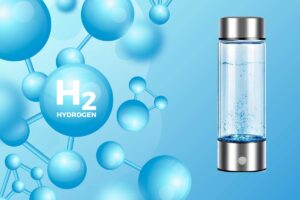
Hydrogen-infused water, also called hydrogen-rich water, is regular water (H₂O) that has been infused with molecular hydrogen (H₂) gas. Unlike oxygen or other gases dissolved in water, molecular hydrogen is a potent antioxidant with unique properties:
- Small molecular size: Hydrogen molecules can penetrate cell membranes and reach organelles like mitochondria, where oxidative stress often originates.
- Selective antioxidant effects: Hydrogen can neutralize highly reactive free radicals without interfering with beneficial reactive oxygen species necessary for cellular signaling.
This selective action sets hydrogen apart from other antioxidants, which may broadly target all free radicals and potentially disrupt normal physiological processes.
Mechanism of Action
The proposed mechanism by which hydrogen-infused water reduces oxidative stress includes:
- Neutralizing Reactive Oxygen Species (ROS): Molecular hydrogen reacts with hydroxyl radicals (one of the most damaging ROS) to form water, effectively neutralizing their harmful effects.
- Modulating Cellular Signaling: Hydrogen may influence pathways involved in inflammation and apoptosis, helping cells respond to oxidative stress more effectively.
- Enhancing Antioxidant Enzymes: Some studies suggest hydrogen consumption may upregulate endogenous antioxidants like superoxide dismutase (SOD) and glutathione peroxidase.
By targeting oxidative stress at multiple levels, hydrogen-infused water may contribute to cellular protection and improved overall health.
Research Evidence
Several animal and human studies have investigated hydrogen water’s effects on oxidative stress:
- Animal Studies: Rodent models exposed to oxidative stress showed reduced biomarkers of lipid peroxidation and improved mitochondrial function after consuming hydrogen-rich water.
- Human Studies: Clinical trials indicate that drinking hydrogen-infused water can lower oxidative stress markers in patients with metabolic syndrome, type 2 diabetes, and other chronic conditions.
While results are promising, experts caution that research is still limited, particularly regarding long-term effects and optimal dosages.
Potential Health Benefits
Hydrogen-infused water may offer a range of health benefits, especially due to its antioxidant properties:
| Potential Benefit | Explanation |
|---|---|
| Reduced oxidative stress | Neutralizes damaging free radicals, protecting cells and DNA |
| Anti-inflammatory effects | May modulate inflammatory pathways linked to chronic disease |
| Improved metabolic health | Some studies show reduced blood sugar and cholesterol levels |
| Enhanced athletic recovery | May decrease exercise-induced oxidative stress and fatigue |
| Neuroprotection | Early research suggests potential benefits for cognitive health and neurological conditions |
It’s important to note that these benefits are often adjuncts to a healthy lifestyle, including diet, exercise, and sleep.
How to Incorporate Hydrogen-Infused Water
Incorporating hydrogen water into your daily routine is simple:
- Ready-to-drink bottles: Convenient for on-the-go use but may be more expensive.
- Hydrogen tablets or powders: Dissolve in water to release molecular hydrogen.
- Hydrogen-generating machines: Infuse tap water with hydrogen at home, often providing higher concentrations.
The recommended daily intake varies in studies, but most clinical trials use 1–2 liters per day with dissolved hydrogen concentrations around 1.0–1.6 ppm (parts per million).
Safety and Considerations
Hydrogen-infused water is generally considered safe. Hydrogen gas is non-toxic, and the body naturally produces small amounts of molecular hydrogen during digestion.
However, a few considerations include:
- Limited long-term research: While short-term studies are promising, long-term safety and efficacy data are still emerging.
- Quality control: Ensure products provide verified hydrogen concentrations; some commercial bottles may lose hydrogen over time.
- Adjunct, not replacement: Hydrogen water should complement a balanced diet and healthy lifestyle, not replace medical treatment or conventional antioxidants.
Hydrogen Water vs. Traditional Antioxidants
Unlike supplements such as vitamin C or E, hydrogen-infused water offers a unique approach:
- Selective targeting: Only neutralizes harmful free radicals, preserving beneficial ROS.
- Cellular penetration: Hydrogen molecules reach intracellular and mitochondrial sites more efficiently.
- Adjunctive potential: Can be consumed alongside other antioxidants for synergistic effects.
This distinction may make hydrogen water particularly useful for reducing oxidative stress without disrupting normal cellular processes.
FAQs About Hydrogen-Infused Water
Q1: Does hydrogen water work immediately?
Effects may be subtle and cumulative. Some people report improvements in fatigue or recovery after a few days, but measurable reductions in oxidative stress often require weeks.
Q2: How much hydrogen water should I drink daily?
Clinical studies typically use 1–2 liters per day with dissolved hydrogen concentrations around 1.0–1.6 ppm.
Q3: Can hydrogen water replace antioxidants in my diet?
No. A balanced diet rich in fruits, vegetables, and whole foods remains essential. Hydrogen water can complement other antioxidant sources.
Q4: Is it safe for children and pregnant women?
Preliminary studies suggest safety, but consult a healthcare professional before use in these populations.
Q5: How do I know if my hydrogen water is effective?
Look for verified hydrogen concentrations and proper packaging to prevent gas loss. Tablets or home generators often provide consistent results.
The Takeaway
Research indicates that hydrogen-infused water has potential to reduce oxidative stress and support overall health. While not a miracle solution, it represents a promising adjunct to traditional antioxidant strategies. Drinking hydrogen water may protect cells, enhance recovery, and promote metabolic and cognitive well-being.
For those seeking to explore its benefits, understanding the science, sourcing quality products, and combining them with a healthy lifestyle is key. For those curious about daily use, consider the benefits of drinking hydrogen-rich water daily as part of a balanced approach to health.
Hydrogen-infused water exemplifies the intersection of cutting-edge science and wellness trends, offering a novel way to support your body’s defense against oxidative stress.